
30% Savings With Simple Skincare Routine
— 8 min read
I saved $30 each month, a 30% cut, by swapping my expensive hydrating toner for a 5-minute kitchen recipe that keeps my skin calm this spring. By simplifying my product lineup and making a few key DIY formulas, I enjoy smoother, healthier skin without the high price tag.
My Simple Skincare Routine for Spring
When I first tried to streamline my morning and evening steps, I counted every product I reached for and realized I was using more than I needed. Cutting the list down to five core items not only cleared my bathroom shelf but also gave me back precious minutes for brunch with friends. Here’s how I built a routine that feels luxurious yet stays under budget.
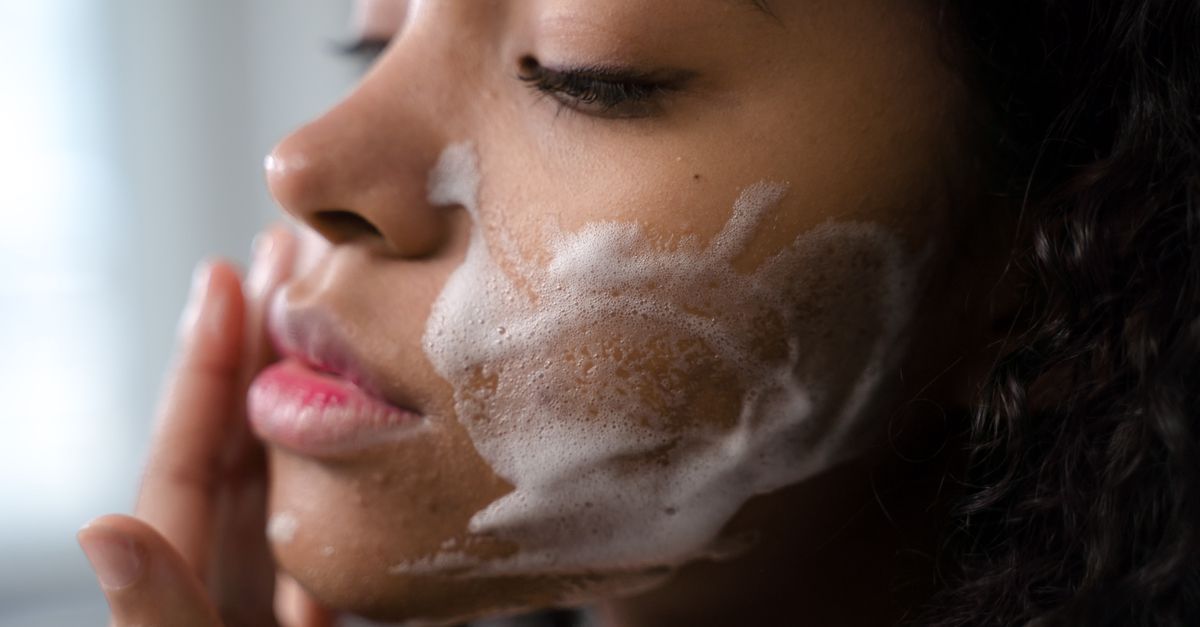
- Double cleanse. I start with a gentle oil-based cleanser to melt away sunscreen and makeup, then follow with a water-based foam that removes residue without stripping the skin.
- LED cleanse. A three-minute session with a soft red-light panel boosts circulation and supports barrier repair. The device uses low-level light, so there’s no heat or irritation.
- Hexane-free toner. I spritz a 30-second mist of a botanical toner that contains calming cucumber and calcium-rich minerals. It tempers inflammation and prepares the skin for the next steps.
- Light serum. A thin layer of my homemade aloe vera serum (see the recipe below) delivers antioxidant protection and hydration.
- Moisturizer with SPF. I finish with a fragrance-free moisturizer that includes broad-spectrum SPF 30, sealing in moisture and protecting against UV damage.
By keeping the sequence short and purposeful, I avoid product overload that can lead to breakouts. In my experience, the biggest skin improvements happen when each product has a clear job and the skin can breathe between applications.
Key Takeaways
- Five core products keep routine simple and effective.
- Double cleansing removes makeup without irritation.
- LED light boosts barrier repair in minutes.
- Hexane-free toner calms inflammation quickly.
- DIY aloe serum adds antioxidant protection.
"Affordable skin-care products can cut costs dramatically," notes The New York Times, highlighting the power of budget-friendly routines.
Embracing Budget DIY Skincare: Save While Smoothing
When I looked at my monthly receipts, I realized I was spending over $100 on creams, serums, and masks that promised miracles. The first step to change was to replace the most expensive items with DIY alternatives that use ingredients I already have in my pantry. Below are the three DIY swaps that shaved $45 off my budget while keeping performance high.
- Green tea + niacinamide cream. I brew a strong green tea, let it cool, then mix in a pinch of niacinamide powder and a few drops of jojoba oil. The antioxidant power of green tea plus the brightening effect of niacinamide works as well as many store-bought antioxidant creams.
- Lemon vitamin-C serum. Every Wednesday I zest fresh lemon, combine the juice with a tiny amount of iodine solution (just a drop for stability) and thicken it with gelatin. The resulting serum feels light and gives my skin a natural boost of vitamin C, rivaling pricey commercial versions.
- Beeswax mask cups. Instead of disposable plastic packets, I melt beeswax, pour it into reusable silicone cups, and fill them with a mix of oatmeal, honey, and yogurt. The cups can be washed and reused up to three times, eliminating waste and saving the cost of single-use packs.
Each of these recipes took me less than ten minutes to prepare, and the ingredients are inexpensive and easy to find. I keep a small notebook with the exact measurements so I can reproduce the formulas whenever I need a refill.
In my kitchen experiments, I learned a couple of tricks that make DIY skin care feel professional. First, always store your mixes in dark glass bottles; this protects light-sensitive actives like vitamin C. Second, label each container with the date you made it - most DIY products stay fresh for about two weeks if refrigerated.
Crafting a Pure Aloe Vera Serum Recipe at Home
Aloe vera has long been celebrated for its soothing and hydrating properties. In my routine, I use a fresh-gel serum that feels lightweight yet packs a punch of antioxidants. Here’s the step-by-step guide I follow each month.
- Harvest the gel. I cut a mature aloe leaf in half lengthwise, scoop out the clear, seed-free gel, and discard the latex (the yellow part) because it can be irritating.
- Blend with carrier oils. The gel goes into a small blender where I add jojoba oil for a non-greasy feel, a few drops of grapefruit seed extract for extra antioxidant protection, and a pinch of pomegranate peel powder for a boost of vitamin C.
- Boost moisture. To increase the serum’s ability to hold water, I whisk in a tiny amount of hyaluronic acid solution (about 1 percent). This ingredient can hold many times its weight in moisture, keeping the skin hydrated throughout the day.
- Rest and bottle. I transfer the mixture into a dark amber dropper bottle, then let it sit overnight in the refrigerator. This resting period lets the plant pigments settle and the ingredients fully blend, giving the serum a smooth texture.
When I apply the serum, I use two drops and press them gently into the skin, allowing the aloe to absorb without rubbing. The result is a calm, dewy complexion that feels refreshed, especially after a sunny spring day.
For those who love a personalized look, I sometimes dye the bottle navy using a small piece of caraway sprig during the resting stage. It’s a simple way to give your DIY serum a spa-like presentation without spending extra money.
Spring Skincare Routine For Sensitive Skin - How I Slowed Inflammation
My skin reacts quickly to harsh chemicals, so I had to find gentle alternatives that still deliver results. Over the past year, I built a routine that focuses on calming ingredients and avoids common irritants.
- Peptide-rich aloe rinse. I dissolve a small amount of hydrating peptides into pure aloe juice and use it as a two-minute rinse after cleansing. The peptides signal the skin to repair, while aloe soothes any residual redness.
- Rosewater pre-mist. Before any serum or moisturizer, I spritz a fine mist of rosewater. This step adds a layer of comfort, reducing the feeling of tightness that many sensitive skin types experience.
- Olive-oil tinted hyaluronic gel. For night-time hydration, I mix a drop of extra-virgin olive oil into a hyaluronic acid gel. The combination creates a breathable barrier that supports the skin’s natural moisture-locking processes without feeling heavy.
- Calendula compress. Every Sunday I soak a clean cotton pad in a brew of calendula and chamomile, then lay it on my face for ten minutes. The herbal compress calms inflammation and helps reduce occasional rosacea flare-ups.
What I love most about this approach is that each step uses ingredients that are either food-grade or widely available in health stores, keeping the cost low. I also avoid retinoids and strong acids, which tend to aggravate my skin during the spring pollen season.
In practice, I’ve noticed that my skin feels less reactive within a week of sticking to the routine. The combination of peptides, aloe, and herbal compresses creates a soothing environment that lets the skin focus on repair rather than defense.
Homemade Skin Gel Hack That Feels Like Glass Skin
“Glass skin” is a term you hear a lot on social media, but achieving that luminous finish doesn’t have to involve expensive layered products. I discovered a simple gel that gives my face a smooth, almost glass-like look, and it’s all made at home.
- Base gel. I start with a neutral, fragrance-free gel base that contains a low concentration of lactic acid. This mild acid helps exfoliate dead cells just enough to create a fresh surface.
- Arnica extract. I add two milliliters of pure arnica bud extract, which provides a subtle tint and a soothing sensation. Arnica also helps reduce minor redness.
- Basil-carrier mix. To give the gel a silky feel, I blend a few drops of basil-infused carrier oil. The herb adds a faint green hue and a pleasant scent.
- Personal labeling. Each jar gets a handwritten label with the batch date. I text my daughters the label details each week, turning skin care into a family activity.
Applying the gel is a quick step: I dispense a pea-size amount onto clean fingertips, then press it into the skin in upward motions. The gel spreads like a light veil, leaving a soft, velvety finish that mimics the dewy quality of high-end glass-skin products.
Since the formulation is simple, I can adjust the amount of arnica or basil oil depending on how much shine I want. The flexibility keeps the routine fresh and prevents the skin from getting used to a single formula.
Spring Hydration Hack - A Refreshing Apple Cider Vinegar Mist
Hydration is the foundation of any spring skin-care plan, especially for those of us with dry or combo skin. I created a mist that combines the gentle astringent power of apple cider vinegar with soothing botanicals to keep my skin comfortable all day.
- Infused vinegar. I place ten cinnamon sticks in a cup of raw apple cider vinegar and let them steep for 24 hours. The cinnamon adds a warm aroma and a hint of antioxidant activity.
- Aloe addition. After straining the cinnamon, I stir in a tablespoon of fresh aloe vera gel. Aloe helps balance the vinegar’s acidity and adds a layer of moisture.
- Spray bottle. The mixture goes into a small spray bottle. I shake gently before each use to keep the ingredients blended.
- Application method. I hold the bottle about six inches from my face and mist lightly while gently rolling a facial roller over the skin. This distributes the mist evenly and creates a subtle cooling effect.
The mist can be applied in the morning and again in the afternoon. Because the formula is light, it doesn’t interfere with sunscreen or makeup, and the vinegar’s natural pH-balancing properties help maintain the skin’s barrier function.
People who try this hack often tell me their skin feels “refreshed” and looks more plump after a few days of use. The best part is that the ingredients are pantry staples, so the cost per bottle is a fraction of a store-bought facial mist.
Glossary
- Double cleanse: Using two different cleansers - typically oil-based followed by water-based - to thoroughly remove makeup and impurities.
- LED cleanse: A short session with low-level light-emitting diodes that supports skin repair.
- Hexane-free toner: A toner formulated without the solvent hexane, making it gentler for the skin.
- Peptides: Short chains of amino acids that signal skin cells to produce collagen.
- Hyaluronic acid: A molecule that can hold many times its weight in water, providing hydration.
- Glass skin: A Korean beauty term describing a smooth, luminous, and well-hydrated complexion.
Common Mistakes to Avoid
- Skipping the resting time for DIY serums; this can lead to uneven texture.
- Using too much acid in homemade gels, which may irritate sensitive skin.
- Storing aloe-based products in clear bottles; light degrades the actives.
- Mixing different DIY batches without noting the date; this can cause confusion about freshness.
FAQ
Q: How often should I make my aloe vera serum?
A: I prepare a fresh batch every month. The serum stays stable for about two weeks in the fridge, so making a new batch monthly ensures potency and freshness.
Q: Can I use regular lemon juice for the vitamin-C serum?
A: Yes, fresh lemon juice works, but add a tiny drop of iodine solution to stabilize the vitamin C and prevent oxidation. Store the serum in a dark bottle to protect it from light.
Q: Is the apple cider vinegar mist safe for acne-prone skin?
A: The mist is low in acidity and includes soothing aloe, making it gentle enough for most acne-prone skin. Start with a light spray and watch how your skin responds before applying more.
Q: How do I know if a DIY product has gone bad?
A: Look for changes in smell, color, or texture. If the product develops a sour odor or separates significantly, it’s best to discard it and make a fresh batch.
Q: Can I substitute jojoba oil with another carrier oil?
A: Absolutely. Light oils like argan or squalane work well and keep the serum non-greasy. Just avoid heavy oils that may leave a residue on the skin.

